Breaking the Stigma Around Men’s Sexual Health

Written by
Corinne O'Keefe Osborn
What Testosterone Does
Testosterone is the key hormone that drives a man’s strength, focus, mood, and sexual health. It supports muscle growth, energy, bone density, and overall vitality. When balanced, it helps you perform at your best — physically, mentally, and emotionally. Beyond these core functions, testosterone also influences motivation, cognitive clarity, and emotional stability. Healthy levels contribute to better heart health, stronger immunity, and an improved sense of confidence and drive in daily life. Maintaining balanced testosterone isn’t just about performance — it’s about living with energy, purpose, and the ability to feel your absolute best at every stage of life.
Changes with Age
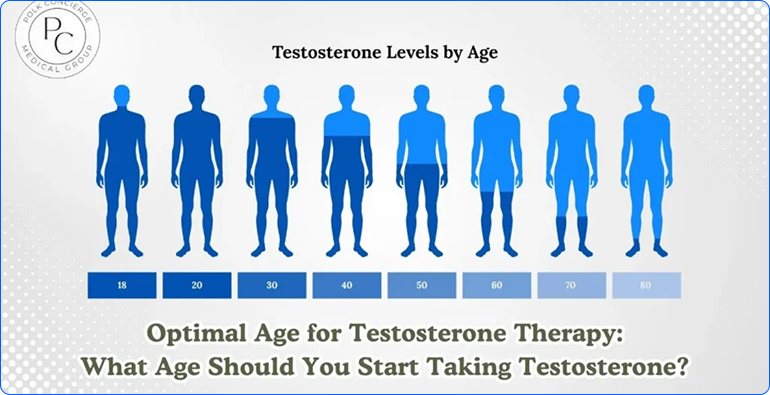
Testosterone levels naturally begin to decline after age 30, typically by about 1% each year. This gradual decrease may seem minor, but over time it can noticeably affect a man’s energy, motivation, confidence, and overall performance. Many men start to experience subtle shifts such as reduced muscle mass, slower recovery after exercise, or a decline in focus and sexual drive.
While this process is a normal part of aging, external factors can accelerate the drop. Chronic stress, poor sleep, lack of physical activity, excess body weight, and unhealthy dietary habits can all contribute to a faster decline in testosterone. Environmental toxins and certain medications may also play a role. By understanding these factors and taking proactive steps—such as improving nutrition, exercising regularly, and seeking medical guidance—men can help slow the decline and maintain healthier hormone levels well into later years.
Signs of Low T
Low testosterone, or “Low T,” can show up in subtle ways — reduced energy, low libido, mood swings, weight gain, or poor sleep. You might also notice slower recovery after workouts or a drop in motivation. Recognizing these early helps prevent long-term issues.
Health Impact
Declining testosterone affects far more than just mood, muscle tone, or sexual health — it impacts nearly every system in the body. Low levels of testosterone can contribute to reduced bone density, leading to a higher risk of fractures and osteoporosis. It also plays a role in increased fat accumulation, especially around the midsection, and may be linked to insulin resistance, heart disease, and metabolic imbalances..
Beyond physical changes, low testosterone often influences mental well-being — causing brain fog, difficulty concentrating, and lower motivation. Many men also experience decreased endurance, slower recovery from exercise, and an overall drop in vitality.
By restoring testosterone balance through physician-guided therapy and supportive lifestyle habits, men can significantly improve their energy, focus, and long-term health. Balanced hormones help maintain cardiovascular strength, protect bone and muscle integrity, and support a sharper, more confident mindset — empowering men to stay strong, active, and in control as they age.
Testing & Diagnosis
A simple blood test can confirm testosterone levels. At TRTBOSS, licensed physicians review your results and symptoms to create a treatment plan that fits your needs. Our process is private, convenient, and entirely guided by medical professionals.
How TRT Helps
Testosterone Replacement Therapy (TRT) restores optimal hormone balance. With physician-guided support, TRT can boost energy, improve focus, enhance libido, and help you feel like yourself again. TRTBOSS ensures your treatment is safe, effective, and delivered discreetly to your door.
Here’s how TRT can make a difference:
- Reignite Energy & Vitality: Boost strength, motivation, and daily performance.
- Enhance Mental Clarity: Sharpen focus, lift mood, and stay balanced.
- Revive Confidence & Performance: Boost libido, confidence, and control.
Lifestyle Support
Healthy habits make TRT even more effective and sustainable over time. Regular strength training, cardiovascular exercise, and daily movement not only support hormone balance but also enhance muscle tone, endurance, and metabolism. Pairing an active lifestyle with a nutrient-rich diet — high in lean proteins, healthy fats, and essential vitamins — helps the body naturally produce and utilize testosterone more efficiently.
Quality sleep is equally important; during deep rest, the body repairs tissue and releases vital hormones that restore energy and focus. Managing stress through mindfulness, meditation, or relaxation techniques can also prevent cortisol spikes, which otherwise suppress testosterone production.
Small, consistent lifestyle improvements — like prioritizing recovery, staying hydrated, and reducing alcohol or processed foods — may seem simple but have a powerful cumulative effect. Combined with physician-guided TRT, these habits create a foundation for optimal results, improved well-being, and lasting vitality at every stage of life.
What Testosterone Does
Testosterone is the key hormone that drives a man’s strength, focus, mood, and sexual health. It supports muscle growth, energy, bone density, and overall vitality. When balanced, it helps you perform at your best — physically, mentally, and emotionally. Beyond these core functions, testosterone also influences motivation, cognitive clarity, and emotional stability. Healthy levels contribute to better heart health, stronger immunity, and an improved sense of confidence and drive in daily life. Maintaining balanced testosterone isn’t just about performance — it’s about living with energy, purpose, and the ability to feel your absolute best at every stage of life.
Changes with Age
Testosterone levels naturally begin to decline after age 30, typically by about 1% each year. This gradual decrease may seem minor, but over time it can noticeably affect a man’s energy, motivation, confidence, and overall performance. Many men start to experience subtle shifts such as reduced muscle mass, slower recovery after exercise, or a decline in focus and sexual drive.
While this process is a normal part of aging, external factors can accelerate the drop. Chronic stress, poor sleep, lack of physical activity, excess body weight, and unhealthy dietary habits can all contribute to a faster decline in testosterone. Environmental toxins and certain medications may also play a role. By understanding these factors and taking proactive steps—such as improving nutrition, exercising regularly, and seeking medical guidance—men can help slow the decline and maintain healthier hormone levels well into later years.
Key Takeaways
Aging may lower testosterone — but it doesn’t have to lower your quality of life. With expert care, the right treatment, and smart daily habits, you can reclaim your strength, confidence, and performance TRTBOSS is here to help every step of the way.
Written by Corinne O’Keefe Osborn
Lorem Ipsum is simply dummy text of the printing and typesetting industry. Lorem Ipsum has been the industry’s standard dummy text ever since the 1500s, when an unknown printer took a galley of type and scrambled it.
Related Articles

Corinne O'Keefe Osborn in Sexual Health
Breaking the Stigma Around Men’s Changes with
What Testosterone Does Testosterone is the key hormone that drives a man’s strength, focus, mood, and sexual health. It supports muscle growth, energy, bone density, and overall vitality. When balanced, it helps you perform at your best — physically, mentally, and emotionally. Beyond these core functions, testosterone also influences motivation, cognitive clarity, and emotional stability. […]
Corinne O'Keefe Osborn in Sexual Health
Breaking the Stigma Around Men’s Sexual Changes with Age
What Testosterone Does Testosterone is the key hormone that drives a man’s strength, focus, mood, and sexual health. It supports muscle growth, energy, bone density, and overall vitality. When balanced, it helps you perform at your best — physically, mentally, and emotionally. Beyond these core functions, testosterone also influences motivation, cognitive clarity, and emotional stability. […]

Corinne O'Keefe Osborn in Sexual Health
Breaking the Stigma Around Men’s Sexual Health
Table of contents What Testosterone Does Changes with Age Signs of Low T Health Impact Testing & Diagnosis How TRT Helps Here’s how TRT can make a difference: Lifestyle Support What Testosterone Does Changes with Age Key Takeaways What Testosterone Does Testosterone is the key hormone that drives a man’s strength, focus, mood, and sexual […]
Join Beaux Belle Health
Tips for weight loss, anti-aging, peptides & hormone health.