Male Sexual Changes With Age
Written by
Dr. Norma J Curby, ND, ANMCB, Sports Nutritionist, CISSN
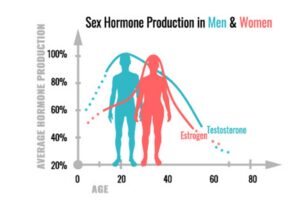
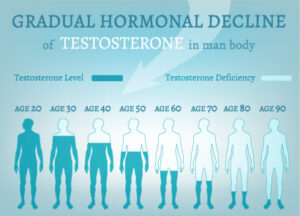
Unlike the sudden changes women face during menopause, men undergo a gradual decline in testosterone, called andropause. Testosterone levels begin dropping by about 1% per year after age 30. Although this decrease is slow, it can significantly impact energy, motivation, confidence, and overall well-being. Men may notice reduced muscle mass, slower recovery after exercise, and lower focus or sexual desire over time.
While this is a normal part of aging, external factors can accelerate the decline. Long-term stress, poor sleep, not enough exercise, extra body weight, and bad eating habits can all cause testosterone to fall faster. Environmental chemicals and some medicines might also affect it. By understanding these causes and taking action—such as eating better, exercising regularly, and seeking medical advice—men can slow the decline and maintain healthier hormone levels as they get older.
Signs of Low T
Low testosterone, or “Low T,” can appear in small ways — less energy, lower sex drive, mood changes, weight gain, or trouble sleeping. You might also feel tired longer after exercising or lose motivation. Noticing these signs early can help avoid bigger problems later.
Health Impact
Lower testosterone affects much more than mood, muscle, or sexual health — it impacts almost every part of the body. Low testosterone can cause weaker bones, increasing the risk of fractures and osteoporosis. It also helps cause more fat, especially around the belly, and might be connected to insulin problems, heart disease, and other body imbalances.
Besides physical changes, low testosterone often affects mental health — causing fuzzy thinking, trouble focusing, and less motivation. Many men also feel less stamina, take longer to recover from exercise, and have less overall energy.
By restoring testosterone levels to balance through doctor-led treatment and healthy habits, men can greatly boost their energy, focus, and overall health. Balanced hormones help keep the heart strong, protect bones and muscles, and support a clearer, more confident mind — helping men stay strong, active, and in control as they get older.
Testosterone Replacement Therapy (TRT)
A simple blood test can check your testosterone levels. Testosterone Replacement Therapy (TRT) helps restore your hormone levels to a healthy balance. With doctor support, TRT can increase energy, sharpen focus, improve sex drive, and help you feel like yourself again.
Healthy habits make TRT work better and last longer. Regular strength training, cardio exercise, and daily activity not only help keep hormones balanced but also improve muscle tone, stamina, and metabolism. Combining an active lifestyle with a diet rich in lean proteins, healthy fats, and essential vitamins helps the body naturally produce and use testosterone more effectively.
Good sleep is just as important; during deep rest, the body heals and releases key hormones that restore energy and focus. Managing stress with mindfulness, meditation, or relaxation techniques can also help prevent cortisol spikes, which can lower testosterone production.
Small, steady lifestyle changes — like focusing on rest, drinking enough water, and cutting back on alcohol or processed foods — might seem simple but add up to big benefits.
Key Takeaways
Aging may lower testosterone — but it doesn’t have to lower your quality of life. With expert care, the right treatment, and smart daily habits, you can reclaim your strength, confidence, and performance
Related Articles

Dr. Norma J Curby, ND, ANMCB, Sports Nutritionist, CISSN in Weight Loss
Low Functioning Thyroid
Hypothyroidism, or underactive thyroid, means your thyroid doesn’t make enough hormones for your body’s needs. Low hormone levels can affect many body functions. This can happen for several reasons, including insufficient nutrients, radiation exposure, or an autoimmune disease called Hashimoto’s Thyroiditis. Hashimoto’s Thyroiditis Is More Common Than You May Think Affecting approximately 10% of women […]

Dr. Norma J Curby, ND, ANMCB, Sports Nutritionist, CISSN in Uncategorized
Male Sexual Changes With Age
Unlike the sudden changes women face during menopause, men undergo a gradual decline in testosterone, called andropause. Testosterone levels begin dropping by about 1% per year after age 30. Although this decrease is slow, it can significantly impact energy, motivation, confidence, and overall well-being. Men may notice reduced muscle mass, slower recovery after exercise, and […]

Dr. Norma J Curby, ND, ANMCB, Sports Nutritionist, CISSN in Hormone Therapy
Male Testosterone And Aging
Testosterone is the main hormone that affects a man’s strength, focus, mood, and sexual health. It helps build muscle, boost energy, keep bones strong, and support overall health. When balanced, it helps you do your best physically, mentally, and emotionally. Besides these main roles, testosterone also affects motivation, clear thinking, and emotional balance. Healthy levels […]
Sign Up for Our Beaux Belle Health Newsletter
Tips for weight loss, anti-aging, peptides & hormone health.