Modern Medicine. Beautiful Results.

Stress And The Immune System

Staying Healthy Starts on the Inside

Most people are familiar with basic guidelines for maintaining a healthy environment: wash your hands, wear a mask around sick individuals or while traveling, practice good hygiene, and avoid touching your face.

However, it’s also important to realize that staying healthy begins inside your body. The system we all need to protect in these difficult times is our immune system.

Here’s the irony: When we are stressed, our immune system gets weaker. Right now, many of us are stressed about illness and other worries. Just when we need a strong immune system, ongoing stress can weaken our defenses.

How Stress Affects the Immune System

Why does stress weaken the immune system? It makes sense if you think about how people lived for most of human history.

Not too long ago, if we saw a threat like a wild animal, we had to act fast. In that way, our body is ready to protect us. Our response was Fight or Flight.

Let’s look at the “fight or flight” response and how stress affects the body.

  • Blood pressure goes up.
  • Heart rate goes up.
  • Serotonin levels drop because you need to stay awake.
  • Your body doesn’t respond to insulin as well.
  • Digestion slows down to preserve energy.
  • Cholesterol goes up.
  • The body pumps stress hormones like adrenaline and cortisol into your bloodstream.

All these changes make sure you have enough energy in the right places, like your arms and legs, to respond to stress by fighting or running.  Think of it as establishing an energy cache.

That’s because your body wants to use all its energy to handle the immediate danger. This response is helpful if you need to escape a predator. After the threat is over, the body relaxes, recovers, and recharges.

But today, stress usually lasts a long time and doesn’t stop. And that’s where the problems start.

Adaptive Physiology

Our body’s way of handling stress is called “adaptive physiology.” To understand this, think of your nervous system as two parts:

  • Your sympathetic nervous system controls the fight or flight response you need when there is danger.
  • Your parasympathetic nervous system controls the “Relax and Recharge,” also called “Rest and Digest,” response you need between stressful times. Without this, your body would stay in overdrive.

Basically, these two systems work like the gas and brakes in a car. One speeds you up, the other slows you down.

Ideally, your body adapts based on the situation. The Relax and Recharge time is important to bring balance back to your mind and body. Nowadays, many of us feel like the “gas” is always on, which is a perfectly understandable response to the level of chaos in the world.

But constant stress can cause many health problems if the sympathetic nervous system never shuts off.

What happens to a car if you only press the gas and never use the brakes? It will likely crash.

Don’t Crash Your Immune System

Not surprisingly, your immune system weakens when you’re heading for a crash. Everything that happens during your fight-or-flight response can lower your immunity. That’s exactly what you don’t want.

6 Ways To Switch Your Body To A Parasympathetic State

So, what can you do? Isn’t stress unavoidable? A good place to start is to consider the two states of your immune system and aim to reach a state of rest and recovery.

  1. Look at your mindset.

How you perceive a stressful situation affects how your body reacts. Maybe you feel trapped in your current life. That’s stressful. But think about the difference between feeling stuck and knowing the situation is temporary. Knowing the future can bring new chances to find other options. That simple change in thinking can help your nervous system stay in a healing state.

  1. Seek connection.

When stressed, be near people who make you feel better. Feeling connected and accepted is important because it can help your immune system.

Luckily, we live in a time with many ways to connect beyond meeting in person. We can video chat, have virtual coffee dates, and regular meetings to stay in touch with people who make us feel connected.

  1. Honor your body’s natural rhythm.

Many people are having trouble sleeping. But it’s important to aim for seven to eight hours of sleep each night. Even when your usual routine is changed, try to keep a regular sleep schedule. That means going to bed at the same time every night, even on weekends. Also, don’t forget that a good nap can help you feel better. Take a close look at your commitments and consider how you can eliminate unnecessary stress. Remember that the goal is to rest your nervous system.

What makes you feel refreshed and restored? Those are the activities to focus on.

  1. Eat to optimize your immune system.

Many studies show that important nutrients play a key role in strengthening your immune system. The best diet and supplements for you depend on your own health, so it’s a personal journey. Important nutrients to focus on include selenium, zinc, and vitamins A, C, and D. Also, don’t forget your gut—a healthy balance of “good bacteria” is very important for supporting immunity. Increased evidence shows how closely a healthy gut is linked to a strong immune system.

In fact, up to 80 percent of your immune cells are found in your gut. The interaction between your gut microbiota and your immune system helps protect you against foreign pathogens.

  1. Move your body.

Exercise can help your nervous system stay balanced. It can slow the release of stress hormones and increase the number of white blood cells that fight disease. Moving also helps your brain and body communicate better.

However, it’s important to move safely—any problems with your body’s alignment can affect this process. Focus on doing activities you enjoy and make exercise part of your daily routine. Consistency is key! If you don’t have a personal trainer, there are many workouts available online.

Prioritize Self-Care

Even in stressful times, you can optimize your immune system. Focus on your body’s need to restore and repair itself and prioritize your self-care. Taking steps towards staying healthy can help you gain a sense of control in an uncertain world. And that will ultimately strengthen your response to stress.


 

Mediation: Help for Anxious Thoughts

Tense muscles. Obsessing about the news. Anxiety about the future. Difficulty sleeping. Do all of these sound familiar? You’re definitely not alone.

How can we cope?

Doing Nothing to Cope with Everything

The answer might be as simple as doing…. nothing. Simply sitting still and mindfully clearing your thoughts through meditation has an astounding number of benefits that are vital right at this point in history.  In fact, fostering an ongoing meditation practice can change the structure of your brain, providing benefits that continue even after you finish meditating. In short, meditation may be one of the best things you can do for yourself in troubled times.

The Benefits of Meditation

Some of the many positive things that can happen when you meditate include:

Lower Blood Pressure

Meditation can decrease the “fight or flight” hormones in your body. As a result of this relaxation response, your blood vessels open up, which in turn improves your blood pressure.

Less Stress-Induced Inflammation

Excess cortisol, one of the central stress hormones, can lead to inflammation in many parts of the body – a common example of this is the gut, with digestive issues being common during times of high stress. Because meditation can lower cortisol levels, inflammation is reduced.

Embracing Uncertainty

Despite all of the health benefits, the ultimate goal of meditation isn’t necessarily focused on physical results. It’s more a process of learning to embrace uncertainty.

A More Positive Outlook

Who couldn’t benefit from a more positive outlook? Meditation has been found to actually alter (in a good way) the parts of your brain responsible for positive thoughts. By becoming more aware of your thoughts, you can also fend off negativity.

Reduced Anxiety and Fewer Obsessive Thoughts

It’s perfectly normal to be experiencing anxiety and obsessive thoughts when faced with a pandemic. However, those thoughts can spiral out of control and negatively affect family members as well as your health. High cortisol levels even lower your immune response, and we all want a strong immune system right now.

How Does Meditation Help With Negative Thoughts?

It can be difficult to imagine gaining control of the thought train when world events and changes in our daily lives seem so overwhelming.


However, meditation teaches us how to experience and sit with those thoughts – without panicking or feeling like we need to repress them. With a little practice, you should be able to sit with your thoughts and feelings without judgment or analysis and begin processing them without spiraling out of control. You can be present in the moment without projecting into the future or ruminating on the past.

How To Start Meditating

Many people find the thought of taking up meditation a bit intimidating. After all, it has had an esoteric reputation through the ages. It’s important to know that you don’t have to “master” meditation. It’s OK to be imperfect. Your mind will probably wander, and you may feel uncomfortable at first. That’s perfectly normal.

Setting Up Your Practice

The good news is that it’s surprisingly simple to get started. In basic terms, you just need to:

§  Find a comfortable place. Ideally, it will be quiet.

§  Sit in a natural position.

§  Breathe normally.

§  Focus on your breath.

  • Try not to overthink this: just focus on each exhalation and inhalation. It’s not necessary to force anything.

§  If your mind wanders:

  • (And since you’re human, there’s a good chance that it will) try to sit back and “observe” your thoughts. Don’t analyze them. And don’t scold yourself for losing focus. It’s all part of the process. They are just passing through your brain.


How Long Should You Meditate?

You may have heard of people going on week-long meditation retreats. That’s great – but it’s not really necessary. Just a few minutes a day is a good start. In fact, studies have found that just five minutes can have significant benefits.

And who doesn’t have five extra minutes?

How Often Should You Meditate?

Consistency is a key component of a successful meditation practice. Try to carve out a few minutes a day to dedicate to your mental health. Some people find that it helps to make it the same time every day.

Resources to Get Your Meditation Practice Started

There are quite a few wonderful resources available to help you get started with meditation, should you need a little help – here are a few of our favorites:


Headspace

Calm

Wherever You Go, There You Are

Meditation for Fidgety Skeptics

Male Testosterone And Aging

Testosterone is the main hormone that affects a man’s strength, focus, mood, and sexual health. It helps build muscle, boost energy, keep bones strong, and support overall health. When balanced, it helps you do your best physically, mentally, and emotionally. Besides these main roles, testosterone also affects motivation, clear thinking, and emotional balance. Healthy levels help heart health, strengthen the immune system, and increase confidence and drive in daily life. Keeping testosterone balanced isn’t just about performance — it’s about having energy, purpose, and feeling your best at every age.

Changes with Age

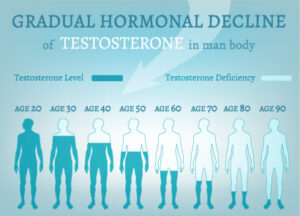
Unlike the sudden changes women face during menopause, men undergo a gradual decline in testosterone, called andropause. Testosterone levels begin dropping by about 1% per year after age 30. Although this decrease is slow, it can significantly impact energy, motivation, confidence, and overall well-being. Men may notice reduced muscle mass, slower recovery after exercise, and lower focus or sexual desire over time.

While this is a normal part of aging, external factors can accelerate the decline. Long-term stress, poor sleep, not enough exercise, extra body weight, and bad eating habits can all cause testosterone to fall faster. Environmental chemicals and some medicines might also affect it. By understanding these causes and taking action—such as eating better, exercising regularly, and seeking medical advice—men can slow the decline and maintain healthier hormone levels as they get older.

Signs of Low T

Low testosterone, or “Low T,” can appear in small ways — less energy, lower sex drive, mood changes, weight gain, or trouble sleeping. You might also feel tired longer after exercising or lose motivation. Noticing these signs early can help avoid bigger problems later.

Health Impact

Lower testosterone affects much more than mood, muscle, or sexual health — it impacts almost every part of the body. Low testosterone can cause weaker bones, increasing the risk of fractures and osteoporosis. It also helps cause more fat, especially around the belly, and might be connected to insulin problems, heart disease, and other body imbalances.

Besides physical changes, low testosterone often affects mental health — causing fuzzy thinking, trouble focusing, and less motivation. Many men also feel less stamina, take longer to recover from exercise, and have less overall energy.

By restoring testosterone levels to balance through doctor-led treatment and healthy habits, men can greatly boost their energy, focus, and overall health. Balanced hormones help keep the heart strong, protect bones and muscles, and support a clearer, more confident mind — helping men stay strong, active, and in control as they get older.

Testosterone Replacement Therapy (TRT)

A simple blood test can check your testosterone levels.  Testosterone Replacement Therapy (TRT) helps restore your hormone levels to a healthy balance. With doctor support, TRT can increase energy, sharpen focus, improve sex drive, and help you feel like yourself again.

Healthy habits make TRT work better and last longer. Regular strength training, cardio exercise, and daily activity not only help keep hormones balanced but also improve muscle tone, stamina, and metabolism. Combining an active lifestyle with a diet rich in lean proteins, healthy fats, and essential vitamins helps the body naturally produce and use testosterone more effectively.

Good sleep is just as important; during deep rest, the body heals and releases key hormones that restore energy and focus. Managing stress with mindfulness, meditation, or relaxation techniques can also help prevent cortisol spikes, which can lower testosterone production.

Small, steady lifestyle changes — like focusing on rest, drinking enough water, and cutting back on alcohol or processed foods — might seem simple but add up to big benefits.

Key Takeaways

Aging may lower testosterone — but it doesn’t have to lower your quality of life. With expert care, the right treatment, and smart daily habits, you can reclaim your strength, confidence, and performance