Modern Medicine. Beautiful Results.

What To Eat While You Are On A Glp-1 Diet Plan

There’s no single diet to follow while you are taking a GLP-1 medication, but eating more protein and fiber can help with weight loss and reduce side effects like nausea. Food choices affect how you feel while you are taking a GLP-1 medication. Many people notice that some foods make side effects better or worse.

Foods That Tend to Work Well while you are taking a GLP-1 medication.

There isn’t a single right way to eat while following this type of protocol; however, research suggests that food quality, portion size, and meal timing all play a role in weight-loss outcomes. Certain foods may contribute to side effects and weight gain, while others may support your overall health while promoting weight loss.

The best foods to eat on a GLP-1 diet include:

  • Lean protein (chicken, turkey, fish, eggs, tofu, lean beef or pork)
  • Low-fat dairy (Greek yogurt, low-fat yogurt, cottage cheese)
  • Non-starchy vegetables (leafy greens, peppers, mushrooms, asparagus, squash, carrots)
  • Nuts and seeds (almonds, walnuts, chia, pumpkin seeds, nut butter)
  • Legumes (lentils, beans, chickpeas, edamame, peanuts)
  • Whole grains (oatmeal, brown rice, quinoa, popcorn, whole wheat bread)
  • Fresh fruit (berries, apples, bananas, melons, peaches, kiwis)
  • Healthy fats in moderation (oily fish, olive oil, avocado, seeds, nuts)


Choose more of these foods to help you feel full, get enough nutrients, and manage side effects. Whole fruits are better than juice. Stick with unsaturated fats most of the time.

Foods Some People Choose to Limit while you are taking a GLP-1 medication.

These foods tend to worsen side effects like nausea, heartburn, bloating, or constipation, and/or are high in calories. These include :

  • Fried or greasy foods
  • Fatty cuts of meat
  • Ultra-processed foods and fast foods
  • Sugary drinks and desserts
  • Alcohol
  • Spicy foods
  • Citrus fruits and tomatoes
  • Garlic and onions

Not everyone reacts the same way to the same foods. If a food doesn’t worsen your symptoms, there’s usually no reason to eliminate it — and if something consistently causes discomfort, take a break from it, even if it’s generally considered “healthy.”

Generally, side effects are worse when you start taking the medication and when you increase your dosage. As such, you might find that some foods are hard to tolerate in the beginning, but easier to eat once your body gets used to your medication.

How Many Calories Should You Eat while you are taking a GLP-1 medication?

A  caloric deficit can help you lose weight faster. This basically means that you take in fewer calories than you burn every day.

Staying in a calorie deficit is often easier with GLP-1 medications because they reduce appetite, increase feelings of fullness, curb cravings, and regulate blood sugar levels.

At the same time, you don’t want to eat too few calories. This can lead to nutritional deficiencies, fatigue, brain fog, and even long-term health problems.

Other Ways to Help Reduce Side Effects

Along with adjusting food choices, these everyday healthy eating habits may help ease common side effects and make it easier to stick to a healthy diet.

  • Eat smaller portions and stop when you feel comfortable.
  • Sip water throughout the day.
  • Choose bland foods if nausea flares.
  • Take short walks after meals to aid digestion.
  • Plan your meals to make it easier to stick to a balanced diet.
  • Keep a food log to notice patterns of side effects.

If side effects are persistent or disruptive, it’s important to follow up with the healthcare provider who prescribed your GLP-1 medication. They can help adjust your treatment plan or discuss supportive options.

Bottom Line

There’s no one-size-fits-all diet while you are on a  GLP-1 diet, but certain foods may help with weight management, while others can worsen side effects and make it harder to lose weight.

Here’s what to keep in mind:

  • Whole foods are generally best. Focus on proteins, fresh veg and fruit, whole grains, and healthy fats.
  • Some foods can trigger the side effects of GLP-1 medication. For example, greasy, spicy, or high-fat foods may set off heartburn or nausea.
  • Certain lifestyle changes may help. Staying hydrated, meal planning, and eating smaller portions may help you manage side effects while losing weight.

Ultimately, the important thing is to pay attention to your body. Everybody reacts differently to different foods, so noticing your own triggers is the key to feeling well while you are taking a GLP-1 medication.


Men’s Top 3 Health Concerns

Not surprisingly, men are less likely than women to see a doctor when they feel sick. Often, they wait until a health problem becomes serious before doing anything. Part of this may be because men are less likely to ask for help in general. The main reason men give for skipping doctor visits is that they feel too busy. But as long-term health problems become more common, men need to take better care of their health. This information is not a substitute for medical advice. We hope it inspires men to prioritize their health and consult their healthcare providers.

1 – Prostate Enlargement

The small prostate gland is not often talked about. But one in every 9 men in North America will be diagnosed with prostate cancer during their life. This makes it the most common cancer among men in the country. The good news is that regular check-ups can often find prostate cancer early because it usually grows slowly. The bad news is that many men don’t get checked until they have had symptoms for a long time.

All men over 50 should talk about their prostate health with their healthcare provider. It’s particularly important if you have one of the risk factors for prostate cancer.

What Are the Risk Factors For Prostate Cancer?

  • Obesity (having a BMI over 30)
  • A family history of prostate cancer
  • Eating a diet high in red meat and dairy

Some evidence suggests smoking may also be a risk factor (and even if it’s not, quitting is always a good idea anyway). As well, black men have higher rates of prostate cancer.

Benign Prostate Enlargement (BPE)

Not all prostate growth is cancer. A more common problem with similar early symptoms is an enlarged prostate, also called benign prostate enlargement (BPE). Even though it’s not cancer, BPE can affect a man’s daily life. It causes frequent urination, trouble controlling urine flow, embarrassing leaks, and difficulty fully emptying the bladder.

About half of men will have BPE by age 60, and up to 90 percent by age 85. Besides getting older, heart disease, diabetes, and obesity increase the risk.

Fortunately, several natural approaches can be used to support a healthy prostate and reduce the risk of issues down the line.

Supplements To Support the Prostate

Some studies show that the herbal remedy saw palmetto can help the men’s urinary system by lowering testosterone, which may shrink the prostate lining. Also, low zinc levels are linked to BPE, so think about taking zinc supplements and eating more high-zinc foods like eggs and nuts. Another helpful supplement, Pygeum (African plum extract), has been connected with a lower risk for BPE in several studies.

Simple Dietary and Lifestyle Changes To Help Protect The Prostate

  • Eat more lycopene-rich foods. Deep pink or red foods like tomatoes, watermelon, and grapefruit are good sources of lycopene.
  • Drink plenty of fluids during the day to help your urinary system. But if you often wake up to use the bathroom at night, try to stop drinking about two hours before bedtime.
  • Cut back or avoid caffeine, diet drinks, and alcohol. If you want caffeine, green tea is a good choice – one study found it might help prevent prostate cancer.
  • Choose natural, unprocessed food whenever possible.

2 – Low Testosterone

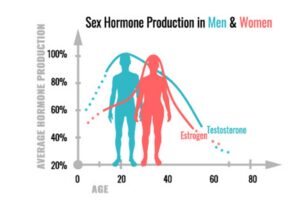
Many signs of “low T” happen slowly over time. Because of this, men often think their symptoms are just part of getting older. But lower testosterone doesn’t have to be a normal part of aging. Even though hormone levels start to drop in your 30s, there are several things you can do to protect them.

Symptoms Of Low Testosterone Levels

How can you tell if you have low testosterone? Only your healthcare practitioner can make a definitive diagnosis, but the following signs could indicate it’s time to schedule an appointment.

  • Lagging libido
  • Unexplained fatigue
  • Depression
  • Irritability
  • Increased body fat
  • Male breast tissue growth
  • Loss of muscle tone

How Can You Protect Your Testosterone Levels as You Get Older?

  1. Sleep

Losing a few hours of sleep can quickly lower your testosterone levels. Try to keep a regular sleep schedule and follow good sleep habits by keeping your bedroom dark and turning off electronics an hour before bed.

  1. Exercise

Exercise is a direct way to boost your testosterone levels – that’s why many men feel energized after a workout. Lifting weights is the best way to raise testosterone, and recent studies show that high-intensity interval training (HIIT) workouts also help.

  • Eat a balanced diet

Include plenty of good-quality protein, unrefined carbohydrates, and healthy fats.

  1. Keep stress levels in check.

When you’re stressed, your cortisol hormone levels go up. When cortisol goes up, testosterone goes down. So, try to avoid long-term stress. If you feel overwhelmed, take short breaks. Taking time out to meditate or go for a short walk can help in the long run. Spending time in the sun or taking vitamin D supplements during the winter can provide your body with a key factor in raising your testosterone levels if they are low.

  1. Talk to your healthcare provider about Testosterone Replacement Therapy and supplements

Research indicates that both ginger and ashwagandha may help increase testosterone levels, but supplementation alone is usually not enough.

3 – Heart Health

Heart attacks are the leading cause of death regardless of gender. However, the average age of a first heart attack is about seven years younger for men, largely due to the protective effect of women’s hormones.

Men can take steps to protect their own heart health at any age. Although some commonly prescribed cardiovascular medications have adverse side effects, nutritional therapies show promising results in research and can be used alongside conventional medicine to support the body.

Factors That Affect Your Heart Health

Omega-3 fatty acids

Several studies show that men who eat a lot of foods rich in essential fatty acids have lower death rates from heart problems. Foods high in omega-3 fatty acids include oily fish like salmon, walnuts, chia seeds, and flaxseed oil.

Magnesium

Magnesium is a mineral that helps all muscles in the body relax, including the heart. A recent study found magnesium might also help the heart heal damage. Foods high in magnesium include dark chocolate, avocados, tofu, and beans.

Exercise

One of the best things you can do for your heart is to exercise it. Remember, you don’t have to run a marathon or spend hours at the gym. Everyday activities like gardening, vacuuming, and walking to the store all help keep your heart healthy.

Stress

Your heart also suffers when you’re stressed. When stress hormones activate your “fight or flight” response, your blood pressure goes up, and your heart beats faster. You’re also more likely to do things that harm your heart, like overeating or drinking alcohol. While small amounts of alcohol can help heart health, remember that moderate drinking for men means two drinks a day or less.

Stress And The Immune System

Staying Healthy Starts on the Inside

Most people are familiar with basic guidelines for maintaining a healthy environment: wash your hands, wear a mask around sick individuals or while traveling, practice good hygiene, and avoid touching your face.

However, it’s also important to realize that staying healthy begins inside your body. The system we all need to protect in these difficult times is our immune system.

Here’s the irony: When we are stressed, our immune system gets weaker. Right now, many of us are stressed about illness and other worries. Just when we need a strong immune system, ongoing stress can weaken our defenses.

How Stress Affects the Immune System

Why does stress weaken the immune system? It makes sense if you think about how people lived for most of human history.

Not too long ago, if we saw a threat like a wild animal, we had to act fast. In that way, our body is ready to protect us. Our response was Fight or Flight.

Let’s look at the “fight or flight” response and how stress affects the body.

  • Blood pressure goes up.
  • Heart rate goes up.
  • Serotonin levels drop because you need to stay awake.
  • Your body doesn’t respond to insulin as well.
  • Digestion slows down to preserve energy.
  • Cholesterol goes up.
  • The body pumps stress hormones like adrenaline and cortisol into your bloodstream.

All these changes make sure you have enough energy in the right places, like your arms and legs, to respond to stress by fighting or running.  Think of it as establishing an energy cache.

That’s because your body wants to use all its energy to handle the immediate danger. This response is helpful if you need to escape a predator. After the threat is over, the body relaxes, recovers, and recharges.

But today, stress usually lasts a long time and doesn’t stop. And that’s where the problems start.

Adaptive Physiology

Our body’s way of handling stress is called “adaptive physiology.” To understand this, think of your nervous system as two parts:

  • Your sympathetic nervous system controls the fight or flight response you need when there is danger.
  • Your parasympathetic nervous system controls the “Relax and Recharge,” also called “Rest and Digest,” response you need between stressful times. Without this, your body would stay in overdrive.

Basically, these two systems work like the gas and brakes in a car. One speeds you up, the other slows you down.

Ideally, your body adapts based on the situation. The Relax and Recharge time is important to bring balance back to your mind and body. Nowadays, many of us feel like the “gas” is always on, which is a perfectly understandable response to the level of chaos in the world.

But constant stress can cause many health problems if the sympathetic nervous system never shuts off.

What happens to a car if you only press the gas and never use the brakes? It will likely crash.

Don’t Crash Your Immune System

Not surprisingly, your immune system weakens when you’re heading for a crash. Everything that happens during your fight-or-flight response can lower your immunity. That’s exactly what you don’t want.

6 Ways To Switch Your Body To A Parasympathetic State

So, what can you do? Isn’t stress unavoidable? A good place to start is to consider the two states of your immune system and aim to reach a state of rest and recovery.

  1. Look at your mindset.

How you perceive a stressful situation affects how your body reacts. Maybe you feel trapped in your current life. That’s stressful. But think about the difference between feeling stuck and knowing the situation is temporary. Knowing the future can bring new chances to find other options. That simple change in thinking can help your nervous system stay in a healing state.

  1. Seek connection.

When stressed, be near people who make you feel better. Feeling connected and accepted is important because it can help your immune system.

Luckily, we live in a time with many ways to connect beyond meeting in person. We can video chat, have virtual coffee dates, and regular meetings to stay in touch with people who make us feel connected.

  1. Honor your body’s natural rhythm.

Many people are having trouble sleeping. But it’s important to aim for seven to eight hours of sleep each night. Even when your usual routine is changed, try to keep a regular sleep schedule. That means going to bed at the same time every night, even on weekends. Also, don’t forget that a good nap can help you feel better. Take a close look at your commitments and consider how you can eliminate unnecessary stress. Remember that the goal is to rest your nervous system.

What makes you feel refreshed and restored? Those are the activities to focus on.

  1. Eat to optimize your immune system.

Many studies show that important nutrients play a key role in strengthening your immune system. The best diet and supplements for you depend on your own health, so it’s a personal journey. Important nutrients to focus on include selenium, zinc, and vitamins A, C, and D. Also, don’t forget your gut—a healthy balance of “good bacteria” is very important for supporting immunity. Increased evidence shows how closely a healthy gut is linked to a strong immune system.

In fact, up to 80 percent of your immune cells are found in your gut. The interaction between your gut microbiota and your immune system helps protect you against foreign pathogens.

  1. Move your body.

Exercise can help your nervous system stay balanced. It can slow the release of stress hormones and increase the number of white blood cells that fight disease. Moving also helps your brain and body communicate better.

However, it’s important to move safely—any problems with your body’s alignment can affect this process. Focus on doing activities you enjoy and make exercise part of your daily routine. Consistency is key! If you don’t have a personal trainer, there are many workouts available online.

Prioritize Self-Care

Even in stressful times, you can optimize your immune system. Focus on your body’s need to restore and repair itself and prioritize your self-care. Taking steps towards staying healthy can help you gain a sense of control in an uncertain world. And that will ultimately strengthen your response to stress.


Mediation: Help for Anxious Thoughts

Tense muscles. Obsessing about the news. Anxiety about the future. Difficulty sleeping. Do all of these sound familiar? You’re definitely not alone.

How can we cope?

Doing Nothing to Cope with Everything

The answer might be as simple as doing…. nothing. Simply sitting still and mindfully clearing your thoughts through meditation has an astounding number of benefits that are vital right at this point in history.  In fact, fostering an ongoing meditation practice can change the structure of your brain, providing benefits that continue even after you finish meditating. In short, meditation may be one of the best things you can do for yourself in troubled times.

The Benefits of Meditation

Some of the many positive things that can happen when you meditate include:

Lower Blood Pressure

Meditation can decrease the “fight or flight” hormones in your body. As a result of this relaxation response, your blood vessels open up, which in turn improves your blood pressure.

Less Stress-Induced Inflammation

Excess cortisol, one of the central stress hormones, can lead to inflammation in many parts of the body – a common example of this is the gut, with digestive issues being common during times of high stress. Because meditation can lower cortisol levels, inflammation is reduced.

Embracing Uncertainty

Despite all of the health benefits, the ultimate goal of meditation isn’t necessarily focused on physical results. It’s more a process of learning to embrace uncertainty.

A More Positive Outlook

Who couldn’t benefit from a more positive outlook? Meditation has been found to actually alter (in a good way) the parts of your brain responsible for positive thoughts. By becoming more aware of your thoughts, you can also fend off negativity.

Reduced Anxiety and Fewer Obsessive Thoughts

It’s perfectly normal to be experiencing anxiety and obsessive thoughts when faced with a pandemic. However, those thoughts can spiral out of control and negatively affect family members as well as your health. High cortisol levels even lower your immune response, and we all want a strong immune system right now.

How Does Meditation Help With Negative Thoughts?

It can be difficult to imagine gaining control of the thought train when world events and changes in our daily lives seem so overwhelming.


However, meditation teaches us how to experience and sit with those thoughts – without panicking or feeling like we need to repress them. With a little practice, you should be able to sit with your thoughts and feelings without judgment or analysis and begin processing them without spiraling out of control. You can be present in the moment without projecting into the future or ruminating on the past.

How To Start Meditating

Many people find the thought of taking up meditation a bit intimidating. After all, it has had an esoteric reputation through the ages. It’s important to know that you don’t have to “master” meditation. It’s OK to be imperfect. Your mind will probably wander, and you may feel uncomfortable at first. That’s perfectly normal.

Setting Up Your Practice

The good news is that it’s surprisingly simple to get started. In basic terms, you just need to:

§  Find a comfortable place. Ideally, it will be quiet.

§  Sit in a natural position.

§  Breathe normally.

§  Focus on your breath.

  • Try not to overthink this: just focus on each exhalation and inhalation. It’s not necessary to force anything.

§  If your mind wanders:

  • (And since you’re human, there’s a good chance that it will) try to sit back and “observe” your thoughts. Don’t analyze them. And don’t scold yourself for losing focus. It’s all part of the process. They are just passing through your brain.


How Long Should You Meditate?

You may have heard of people going on week-long meditation retreats. That’s great – but it’s not really necessary. Just a few minutes a day is a good start. In fact, studies have found that just five minutes can have significant benefits.

And who doesn’t have five extra minutes?

How Often Should You Meditate?

Consistency is a key component of a successful meditation practice. Try to carve out a few minutes a day to dedicate to your mental health. Some people find that it helps to make it the same time every day.

Resources to Get Your Meditation Practice Started

There are quite a few wonderful resources available to help you get started with meditation, should you need a little help – here are a few of our favorites:


Headspace

Calm

Wherever You Go, There You Are

Meditation for Fidgety Skeptics

Male Sexual Changes With Age

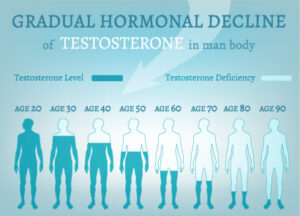
Unlike the sudden changes women face during menopause, men undergo a gradual decline in testosterone, called andropause. Testosterone levels begin dropping by about 1% per year after age 30. Although this decrease is slow, it can significantly impact energy, motivation, confidence, and overall well-being. Men may notice reduced muscle mass, slower recovery after exercise, and lower focus or sexual desire over time.

While this is a normal part of aging, external factors can accelerate the decline. Long-term stress, poor sleep, not enough exercise, extra body weight, and bad eating habits can all cause testosterone to fall faster. Environmental chemicals and some medicines might also affect it. By understanding these causes and taking action—such as eating better, exercising regularly, and seeking medical advice—men can slow the decline and maintain healthier hormone levels as they get older.


Signs of Low T

Low testosterone, or “Low T,” can appear in small ways — less energy, lower sex drive, mood changes, weight gain, or trouble sleeping. You might also feel tired longer after exercising or lose motivation. Noticing these signs early can help avoid bigger problems later.

Health Impact

Lower testosterone affects much more than mood, muscle, or sexual health — it impacts almost every part of the body. Low testosterone can cause weaker bones, increasing the risk of fractures and osteoporosis. It also helps cause more fat, especially around the belly, and might be connected to insulin problems, heart disease, and other body imbalances.

Besides physical changes, low testosterone often affects mental health — causing fuzzy thinking, trouble focusing, and less motivation. Many men also feel less stamina, take longer to recover from exercise, and have less overall energy.

By restoring testosterone levels to balance through doctor-led treatment and healthy habits, men can greatly boost their energy, focus, and overall health. Balanced hormones help keep the heart strong, protect bones and muscles, and support a clearer, more confident mind — helping men stay strong, active, and in control as they get older.


Testosterone Replacement Therapy (TRT)

A simple blood test can check your testosterone levels.  Testosterone Replacement Therapy (TRT) helps restore your hormone levels to a healthy balance. With doctor support, TRT can increase energy, sharpen focus, improve sex drive, and help you feel like yourself again.

Healthy habits make TRT work better and last longer. Regular strength training, cardio exercise, and daily activity not only help keep hormones balanced but also improve muscle tone, stamina, and metabolism. Combining an active lifestyle with a diet rich in lean proteins, healthy fats, and essential vitamins helps the body naturally produce and use testosterone more effectively.

Good sleep is just as important; during deep rest, the body heals and releases key hormones that restore energy and focus. Managing stress with mindfulness, meditation, or relaxation techniques can also help prevent cortisol spikes, which can lower testosterone production.

Small, steady lifestyle changes — like focusing on rest, drinking enough water, and cutting back on alcohol or processed foods — might seem simple but add up to big benefits.

Key Takeaways

Aging may lower testosterone — but it doesn’t have to lower your quality of life. With expert care, the right treatment, and smart daily habits, you can reclaim your strength, confidence, and performance


Men’s Health: Common Concerns

Men are less likely than women to see a doctor when they feel sick. Often, they wait until a health problem becomes serious before doing anything. Part of this may be because men are less likely to ask for help in general (which is why there are jokes about men not asking for directions). Also, many men just don’t like to talk much about health problems.

The main reason men give for skipping doctor visits is that they feel too busy. But as long-term health problems become more common, men need to take better care of their health. This information doesn’t replace the need to see your doctor – in fact, we hope that it will encourage more men to take their health seriously and visit their healthcare practitioners.

1 – Prostate Enlargement

The small prostate gland is not often talked about. But one in every 9 men in North America will be diagnosed with prostate cancer during their life. This makes it the most common cancer among men in the country. The good news is that regular check-ups can often find prostate cancer early because it usually grows slowly. The bad news is that many men don’t get checked until they have had symptoms for a long time.

All men over 50 should talk about their prostate health with their healthcare provider. It’s particularly important if you have one of the risk factors for prostate cancer.

What Are The Risk Factors For Prostate Cancer?

  • Obesity (having a BMI over 30)
  • A family history of prostate cancer
  • Eating a diet high in red meat and dairy

Some evidence suggests smoking may also be a risk factor (and even if it’s not, quitting is always a good idea anyway). As well, black men have higher rates of prostate cancer.

Benign Prostate Enlargement (BPE)

Not all prostate growth is cancer. A more common problem with similar early symptoms is an enlarged prostate, also called benign prostate enlargement (BPE). Even though it’s not cancer, BPE can affect a man’s daily life. It causes frequent urination, trouble controlling urine flow, embarrassing leaks, and difficulty fully emptying the bladder.

About half of men will have BPE by age 60, and up to 90 percent by age 85. Besides getting older, heart disease, diabetes, and obesity increase the risk.

Fortunately there are several natural approaches that can be used to support a healthy prostate and reduce the risk of issues down the line.

Supplements To Support The Prostate

Some studies show that the herbal remedy saw palmetto can help men’s urinary system by lowering testosterone, which may shrink the prostate lining. Also, low zinc levels are linked to BPE, so think about taking zinc supplements and eating more high-zinc foods like eggs and nuts. Another helpful supplement, pygeum (African plum extract), has been connected

with a lower risk for BPE in several studies.

Simple Dietary and Lifestyle Changes To Help Protect The Prostate

  • Eat more lycopene-rich foods. Deep pink or red foods like tomatoes, watermelon, and grapefruit are good sources of lycopene.
  • Drink plenty of fluids during the day to help your urinary system. But if you often wake up to use the bathroom at night, try to stop drinking about two hours before bedtime.
  • Cut back or avoid caffeine, diet drinks, and alcohol. If you want caffeine, green tea is a good choice – one study found it might help prevent prostate cancer.
  • Choose natural, unprocessed food whenever possible.

2 – Low Testosterone

Many signs of “low T” happen slowly over time. Because of this, men often think their symptoms are just part of getting older. But lower testosterone doesn’t have to be a normal part of aging. Even though hormone levels start to drop in your 30s, there are several things you can do to protect them.

Symptoms Of Low Testosterone Levels

How can you tell if you have low testosterone? Only your healthcare practitioner can make a definitive diagnosis, but the following signs could indicate it’s time to schedule an appointment.

  • Lagging libido
  • Unexplained fatigue
  • Depression
  • Irritability
  • Increased body fat
  • Male breast tissue growth
  • Loss of muscle tone

How Can You Protect Your Testosterone Levels As You Get Older?

  1. Sleep

Losing a few hours of sleep can quickly lower your testosterone levels. Try to keep a regular sleep schedule and follow good sleep habits by keeping your bedroom dark and turning off electronics an hour before bed.

  1. Exercise

Exercise is a direct way to boost your testosterone levels – that’s why many men feel energized after a workout. Lifting weights is the best way to raise testosterone, and recent studies show that high-intensity interval training (HIIT) workouts also help.

  1. Eat a balanced diet

Include plenty of good-quality protein, unrefined carbohydrates, and healthy fats.

  1. Keep stress levels in check.

When you’re stressed, your cortisol hormone levels go up. When cortisol goes up, testosterone goes down. So try to avoid long-term stress. If you feel overwhelmed, take short breaks. Taking time out to meditate or go for a short walk can help in the long run. Spending time in the sun or taking vitamin D supplements during the winter can provide your body with a key component needed to raise your testosterone levels if they are low.

  1. Talk to your healthcare provider about Testosterone Replacement Therapy and supplements

Research indicates that both ginger and ashwagandha may help increase testosterone levels, but supplementation alone is usually not enough.

  1. Avoid estrogen-mimicking materials

Many common chemicals in everyday products can affect your hormones by acting like estrogen in your body. To reduce this effect, avoid materials with BPA, parabens, and phthalates. This means avoiding things like plastic water bottles, air fresheners, and scented grooming products that contain these chemicals.

3 – Heart Health

Heart attacks are the leading cause of death regardless of gender. However, the average age of a first heart attack is about seven years younger for men, largely due to the protective effect of women’s hormones.

Men can take steps to protect their own heart health at any age. Although some commonly prescribed cardiovascular medications have adverse side effects, nutritional therapies show promising results in research and can be used alongside conventional medicine to support the body.

Factors That Affect Your Heart Health

Omega-3 fatty acids

Several studies show that men who eat a lot of foods rich in essential fatty acids have lower death rates from heart problems. Foods high in omega-3 fatty acids include oily fish like salmon, walnuts, chia seeds, and flaxseed oil.

Magnesium

Magnesium is a mineral that helps all muscles in the body relax, including the heart. A recent study found magnesium might also help heal heart damage. Foods high in magnesium include dark chocolate, avocados, tofu, and beans.

Exercise

One of the best things you can do for your heart is to exercise it. Remember, you don’t have to run a marathon or spend hours at the gym. Everyday activities like gardening, vacuuming, and walking to the store all help keep your heart healthy.

Stress

Your heart also suffers when you’re stressed. When stress hormones activate your “fight or flight” response, your blood pressure goes up, and your heart beats faster. You’re also more likely to do things that harm your heart, like overeating or drinking alcohol. While small amounts of alcohol can help heart health, remember that moderate drinking for men means two drinks a day or less.

4 – Depression

Signs of depression can be different for men than for women. Men are more likely to show anger when they are depressed. But hiding depression can have serious effects. For example, over 30 percent of men say they have felt depressed. The suicide rate for men is four times higher than for women. You might be surprised that men over 85 have the highest suicide rate of all.

If you experience any of the signs below, talk to someone immediately.

Depression is treatable. There is lots of help out there.

  • Difficulty concentrating
  • Feelings of guilt or worthlessness
  • Difficulty sleeping
  • Loss of appetite
  • Indecisiveness
  • Agitated repetitive movements like pacing or drumming with your fingers
  • Unexplained aches and pains