Modern Medicine. Beautiful Results.

Men’s Top 3 Health Concerns

Not surprisingly, men are less likely than women to see a doctor when they feel sick. Often, they wait until a health problem becomes serious before doing anything. Part of this may be because men are less likely to ask for help in general. The main reason men give for skipping doctor visits is that they feel too busy. But as long-term health problems become more common, men need to take better care of their health. This information is not a substitute for medical advice. We hope it inspires men to prioritize their health and consult their healthcare providers.

1 – Prostate Enlargement

The small prostate gland is not often talked about. But one in every 9 men in North America will be diagnosed with prostate cancer during their life. This makes it the most common cancer among men in the country. The good news is that regular check-ups can often find prostate cancer early because it usually grows slowly. The bad news is that many men don’t get checked until they have had symptoms for a long time.

All men over 50 should talk about their prostate health with their healthcare provider. It’s particularly important if you have one of the risk factors for prostate cancer.

What Are the Risk Factors For Prostate Cancer?

  • Obesity (having a BMI over 30)
  • A family history of prostate cancer
  • Eating a diet high in red meat and dairy

Some evidence suggests smoking may also be a risk factor (and even if it’s not, quitting is always a good idea anyway). As well, black men have higher rates of prostate cancer.

Benign Prostate Enlargement (BPE)

Not all prostate growth is cancer. A more common problem with similar early symptoms is an enlarged prostate, also called benign prostate enlargement (BPE). Even though it’s not cancer, BPE can affect a man’s daily life. It causes frequent urination, trouble controlling urine flow, embarrassing leaks, and difficulty fully emptying the bladder.

About half of men will have BPE by age 60, and up to 90 percent by age 85. Besides getting older, heart disease, diabetes, and obesity increase the risk.

Fortunately, several natural approaches can be used to support a healthy prostate and reduce the risk of issues down the line.

Supplements To Support the Prostate

Some studies show that the herbal remedy saw palmetto can help the men’s urinary system by lowering testosterone, which may shrink the prostate lining. Also, low zinc levels are linked to BPE, so think about taking zinc supplements and eating more high-zinc foods like eggs and nuts. Another helpful supplement, Pygeum (African plum extract), has been connected with a lower risk for BPE in several studies.

Simple Dietary and Lifestyle Changes To Help Protect The Prostate

  • Eat more lycopene-rich foods. Deep pink or red foods like tomatoes, watermelon, and grapefruit are good sources of lycopene.
  • Drink plenty of fluids during the day to help your urinary system. But if you often wake up to use the bathroom at night, try to stop drinking about two hours before bedtime.
  • Cut back or avoid caffeine, diet drinks, and alcohol. If you want caffeine, green tea is a good choice – one study found it might help prevent prostate cancer.
  • Choose natural, unprocessed food whenever possible.

2 – Low Testosterone

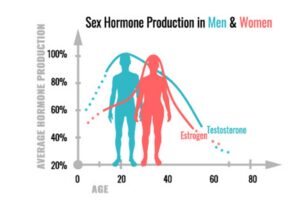
Many signs of “low T” happen slowly over time. Because of this, men often think their symptoms are just part of getting older. But lower testosterone doesn’t have to be a normal part of aging. Even though hormone levels start to drop in your 30s, there are several things you can do to protect them.

Symptoms Of Low Testosterone Levels

How can you tell if you have low testosterone? Only your healthcare practitioner can make a definitive diagnosis, but the following signs could indicate it’s time to schedule an appointment.

  • Lagging libido
  • Unexplained fatigue
  • Depression
  • Irritability
  • Increased body fat
  • Male breast tissue growth
  • Loss of muscle tone

How Can You Protect Your Testosterone Levels as You Get Older?

  1. Sleep

Losing a few hours of sleep can quickly lower your testosterone levels. Try to keep a regular sleep schedule and follow good sleep habits by keeping your bedroom dark and turning off electronics an hour before bed.

  1. Exercise

Exercise is a direct way to boost your testosterone levels – that’s why many men feel energized after a workout. Lifting weights is the best way to raise testosterone, and recent studies show that high-intensity interval training (HIIT) workouts also help.

  • Eat a balanced diet

Include plenty of good-quality protein, unrefined carbohydrates, and healthy fats.

  1. Keep stress levels in check.

When you’re stressed, your cortisol hormone levels go up. When cortisol goes up, testosterone goes down. So, try to avoid long-term stress. If you feel overwhelmed, take short breaks. Taking time out to meditate or go for a short walk can help in the long run. Spending time in the sun or taking vitamin D supplements during the winter can provide your body with a key factor in raising your testosterone levels if they are low.

  1. Talk to your healthcare provider about Testosterone Replacement Therapy and supplements

Research indicates that both ginger and ashwagandha may help increase testosterone levels, but supplementation alone is usually not enough.

3 – Heart Health

Heart attacks are the leading cause of death regardless of gender. However, the average age of a first heart attack is about seven years younger for men, largely due to the protective effect of women’s hormones.

Men can take steps to protect their own heart health at any age. Although some commonly prescribed cardiovascular medications have adverse side effects, nutritional therapies show promising results in research and can be used alongside conventional medicine to support the body.

Factors That Affect Your Heart Health

Omega-3 fatty acids

Several studies show that men who eat a lot of foods rich in essential fatty acids have lower death rates from heart problems. Foods high in omega-3 fatty acids include oily fish like salmon, walnuts, chia seeds, and flaxseed oil.

Magnesium

Magnesium is a mineral that helps all muscles in the body relax, including the heart. A recent study found magnesium might also help the heart heal damage. Foods high in magnesium include dark chocolate, avocados, tofu, and beans.

Exercise

One of the best things you can do for your heart is to exercise it. Remember, you don’t have to run a marathon or spend hours at the gym. Everyday activities like gardening, vacuuming, and walking to the store all help keep your heart healthy.

Stress

Your heart also suffers when you’re stressed. When stress hormones activate your “fight or flight” response, your blood pressure goes up, and your heart beats faster. You’re also more likely to do things that harm your heart, like overeating or drinking alcohol. While small amounts of alcohol can help heart health, remember that moderate drinking for men means two drinks a day or less.


Low Functioning Thyroid

Hypothyroidism, or underactive thyroid, means your thyroid doesn’t make enough hormones for your body’s needs. Low hormone levels can affect many body functions. This can happen for several reasons, including insufficient nutrients, radiation exposure, or an autoimmune disease called Hashimoto’s Thyroiditis.

Hashimoto’s Thyroiditis Is More Common Than You May Think

Affecting approximately 10% of women over the age of 30, Hashimoto’s Thyroiditis is the most common cause of hypothyroidism. Some studies put the incidence of Hashimoto’s at up to 5% of the overall population.

More About Hashimoto’s

Hashimoto’s is named after the Japanese doctor who discovered it in 1912. It’s an autoimmune disease, which means the immune system mistakenly targets the healthy thyroid as if it were a threat. These types of disorders can be especially challenging because their causes are often unclear and diagnosis can be difficult. In fact, as many as 60 percent of people with thyroid issues are unaware they have a problem.

At Risk Populations

Women

Some factors can increase your risk of developing Hashimoto’s. For example, women are five to eight times more likely to get the disease.

Previous Autoimmune Disease

Your risk is also highest in middle age. Having other autoimmune diseases like lupus, celiac disease, or rheumatoid arthritis can also increase your chances.

Gluten Intolerance

Some studies have connected Hashimoto’s to diets high in gluten. While gluten doesn’t directly cause Hashimoto’s, eating gluten seems to raise the risk of autoimmune diseases in general. Also, people with celiac disease are three times more likely to have thyroid problems.

Stress

Other studies suggest a connection between long-term stress and Hashimoto’s. This may be because stress affects how our immune system works.

The Symptoms of Hashimoto’s

The symptoms of Hashimoto’s usually develop slowly, so they often go unnoticed. As the thyroid becomes more damaged, many people feel increasingly tired. In fact, extreme tiredness is one of the most common problems with this disease. You may also experience a long list of frustrating symptoms, including:

Weight gain
Muscle aches
Thinning hair
Dry skin
Constipation
Fertility problems
Poor cold tolerance
Depression
Memory issues
Hoarseness
Low libido
Slow heart rate
A lump at the base of the throat, due to an enlarged thyroid

Many of the symptoms above are easy to blame on other health problems or just getting older. But the long-term effects of Hashimoto’s can seriously affect your quality of life. Over time, low thyroid hormone levels can also cause high cholesterol.  It’s important to get help if you think you have Hashimoto’s.

Hashimoto’s Diagnosis

Many physicians rely solely on the Thyroid Stimulating Hormone (TSH) test to assess thyroid problems. However, thyroid conditions are complex, and this single test doesn’t always provide a complete picture. An elevated TSH may indicate that your body is compensating for a sluggish thyroid, but it doesn’t reveal the underlying cause. Similarly, a normal TSH result doesn’t rule out other thyroid issues. To get a comprehensive understanding of your thyroid health, additional and more specific tests are often necessary, since TSH only represents one aspect of your body’s overall function.

Managing Hashimoto’s

Treatment for Hashimoto’s typically involves thyroid hormone replacement therapy or supplements to restore normal hormone levels. However, finding the correct dosage to relieve symptoms can be challenging for many individuals. A holistic approach focuses on addressing the underlying autoimmune cause, supporting thyroid function, and using hormone supplements as necessary. This strategy often includes enhancing overall health and balancing other hormones to benefit the entire body.

Supplements for Hashimoto’s

Supplements that might help include:

B12
Zinc
Ashwagandha

Good habits can have a positive effect on Hashimoto’s, including

Reduce the amount of sugar that you eat (and drink)

This includes sugar substitutes, which have been directly linked to Hashimoto’s. Artificial sweeteners can lower the number of “good” bacteria in your gut, which can negatively impact your immune system.

Watch Your Gluten Intake

Gluten and autoimmunity are interconnected, so it is a good idea to reduce gluten intake. Quinoa and rice are both good replacements, as are gluten-free crackers made with flax seeds. Keep in mind that the goal is to add variety to the diet, so avoid replacing all gluten products with a highly processed corn-based version.

Focus on natural, high-fiber foods.

Because of the important link between gut health and immunity, keep your gut in top shape by consuming enough fiber to keep things moving.

Reduce stress

Yes, that’s easier said than done in today’s busy world! However, it’s also important to remember that looking after your own health (even if that means cutting back on your responsibilities) will ultimately make you better able to look after your loved ones and your other responsibilities. As the saying goes, you can’t pour from an empty cup, so taking care of yourself is step one in taking care of others.

Male Sexual Changes With Age

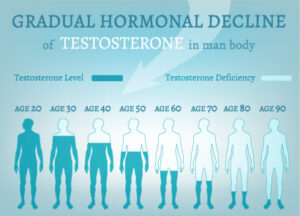
Unlike the sudden changes women face during menopause, men undergo a gradual decline in testosterone, called andropause. Testosterone levels begin dropping by about 1% per year after age 30. Although this decrease is slow, it can significantly impact energy, motivation, confidence, and overall well-being. Men may notice reduced muscle mass, slower recovery after exercise, and lower focus or sexual desire over time.

While this is a normal part of aging, external factors can accelerate the decline. Long-term stress, poor sleep, not enough exercise, extra body weight, and bad eating habits can all cause testosterone to fall faster. Environmental chemicals and some medicines might also affect it. By understanding these causes and taking action—such as eating better, exercising regularly, and seeking medical advice—men can slow the decline and maintain healthier hormone levels as they get older.


Signs of Low T

Low testosterone, or “Low T,” can appear in small ways — less energy, lower sex drive, mood changes, weight gain, or trouble sleeping. You might also feel tired longer after exercising or lose motivation. Noticing these signs early can help avoid bigger problems later.

Health Impact

Lower testosterone affects much more than mood, muscle, or sexual health — it impacts almost every part of the body. Low testosterone can cause weaker bones, increasing the risk of fractures and osteoporosis. It also helps cause more fat, especially around the belly, and might be connected to insulin problems, heart disease, and other body imbalances.

Besides physical changes, low testosterone often affects mental health — causing fuzzy thinking, trouble focusing, and less motivation. Many men also feel less stamina, take longer to recover from exercise, and have less overall energy.

By restoring testosterone levels to balance through doctor-led treatment and healthy habits, men can greatly boost their energy, focus, and overall health. Balanced hormones help keep the heart strong, protect bones and muscles, and support a clearer, more confident mind — helping men stay strong, active, and in control as they get older.


Testosterone Replacement Therapy (TRT)

A simple blood test can check your testosterone levels.  Testosterone Replacement Therapy (TRT) helps restore your hormone levels to a healthy balance. With doctor support, TRT can increase energy, sharpen focus, improve sex drive, and help you feel like yourself again.

Healthy habits make TRT work better and last longer. Regular strength training, cardio exercise, and daily activity not only help keep hormones balanced but also improve muscle tone, stamina, and metabolism. Combining an active lifestyle with a diet rich in lean proteins, healthy fats, and essential vitamins helps the body naturally produce and use testosterone more effectively.

Good sleep is just as important; during deep rest, the body heals and releases key hormones that restore energy and focus. Managing stress with mindfulness, meditation, or relaxation techniques can also help prevent cortisol spikes, which can lower testosterone production.

Small, steady lifestyle changes — like focusing on rest, drinking enough water, and cutting back on alcohol or processed foods — might seem simple but add up to big benefits.

Key Takeaways

Aging may lower testosterone — but it doesn’t have to lower your quality of life. With expert care, the right treatment, and smart daily habits, you can reclaim your strength, confidence, and performance


Male Testosterone And Aging

Testosterone is the main hormone that affects a man’s strength, focus, mood, and sexual health. It helps build muscle, boost energy, keep bones strong, and support overall health. When balanced, it helps you do your best physically, mentally, and emotionally. Besides these main roles, testosterone also affects motivation, clear thinking, and emotional balance. Healthy levels help heart health, strengthen the immune system, and increase confidence and drive in daily life. Keeping testosterone balanced isn’t just about performance — it’s about having energy, purpose, and feeling your best at every age.

Changes with Age

Unlike the sudden changes women face during menopause, men undergo a gradual decline in testosterone, called andropause. Testosterone levels begin dropping by about 1% per year after age 30. Although this decrease is slow, it can significantly impact energy, motivation, confidence, and overall well-being. Men may notice reduced muscle mass, slower recovery after exercise, and lower focus or sexual desire over time.

While this is a normal part of aging, external factors can accelerate the decline. Long-term stress, poor sleep, not enough exercise, extra body weight, and bad eating habits can all cause testosterone to fall faster. Environmental chemicals and some medicines might also affect it. By understanding these causes and taking action—such as eating better, exercising regularly, and seeking medical advice—men can slow the decline and maintain healthier hormone levels as they get older.

Signs of Low T

Low testosterone, or “Low T,” can appear in small ways — less energy, lower sex drive, mood changes, weight gain, or trouble sleeping. You might also feel tired longer after exercising or lose motivation. Noticing these signs early can help avoid bigger problems later.

Health Impact

Lower testosterone affects much more than mood, muscle, or sexual health — it impacts almost every part of the body. Low testosterone can cause weaker bones, increasing the risk of fractures and osteoporosis. It also helps cause more fat, especially around the belly, and might be connected to insulin problems, heart disease, and other body imbalances.

Besides physical changes, low testosterone often affects mental health — causing fuzzy thinking, trouble focusing, and less motivation. Many men also feel less stamina, take longer to recover from exercise, and have less overall energy.

By restoring testosterone levels to balance through doctor-led treatment and healthy habits, men can greatly boost their energy, focus, and overall health. Balanced hormones help keep the heart strong, protect bones and muscles, and support a clearer, more confident mind — helping men stay strong, active, and in control as they get older.

Testosterone Replacement Therapy (TRT)

A simple blood test can check your testosterone levels.  Testosterone Replacement Therapy (TRT) helps restore your hormone levels to a healthy balance. With doctor support, TRT can increase energy, sharpen focus, improve sex drive, and help you feel like yourself again.

Healthy habits make TRT work better and last longer. Regular strength training, cardio exercise, and daily activity not only help keep hormones balanced but also improve muscle tone, stamina, and metabolism. Combining an active lifestyle with a diet rich in lean proteins, healthy fats, and essential vitamins helps the body naturally produce and use testosterone more effectively.

Good sleep is just as important; during deep rest, the body heals and releases key hormones that restore energy and focus. Managing stress with mindfulness, meditation, or relaxation techniques can also help prevent cortisol spikes, which can lower testosterone production.

Small, steady lifestyle changes — like focusing on rest, drinking enough water, and cutting back on alcohol or processed foods — might seem simple but add up to big benefits.

Key Takeaways

Aging may lower testosterone — but it doesn’t have to lower your quality of life. With expert care, the right treatment, and smart daily habits, you can reclaim your strength, confidence, and performance